Organic Alternatives to Mitigating Amitraz Resistance in Varroa Mite Control
Exploring organic methods to manage Varroa mites amidst growing amitraz resistance, focusing on local solutions like thyme-derived thymol.
Varroa destructor mites continue to pose a significant threat to honey bee colonies, particularly challenging beekeepers in Albania. Increasingly, these parasitic mites have shown resistance to amitraz, a widely used chemical miticide. Consequently, exploring alternative organic treatments has become essential for sustainable beekeeping practices. This article presents various organic methods and their practical applications, tailored to Albania's specific conditions.
Key Points
- Varroa mites are showing signs of resistance to amitraz, diminishing its effectiveness.
- Organic alternatives like oxalic acid, thymol, and formic acid are available to control mite populations.
- Oxalic acid can be effective during broodless periods but is influenced by environmental factors.
- Thymol, sourced from thyme, requires strategic application to prevent resistance.
- Formic acid must be applied carefully to avoid potential damage to bee colonies.
Understanding Amitraz Resistance in Varroa
The development of resistance to amitraz among Varroa mites has been documented in commercial beekeeping operations globally. This resistance significantly reduces the effectiveness of treatments and poses challenges for beekeepers relying on chemical miticides. The financial and ecological impact underscores the urgency in adopting alternative methodologies.
The Albanian Context
In Albania, where the climate varies from Mediterranean to mountainous, these issues are particularly pressing. Beekeepers in coastal and plains regions face heightened pressure from Varroa infestations due to favorable conditions for the mites’ proliferation.
Organic Treatments: Oxalic Acid
Oxalic acid has emerged as a viable alternative for Varroa control. Its application is particularly effective during broodless periods, usually in late autumn or early winter. According to research from Washington State University, oxalic acid treatments can substantially reduce mite populations with minimal disruption to the colony.
Application Best Practices
Proper application of oxalic acid is critical. It is essential to consider temperature and humidity, as these factors can influence the acid's efficacy. In Albania's diverse climate zones, timing interventions to local weather conditions can optimize outcomes.
Utilizing Thymol from Thyme
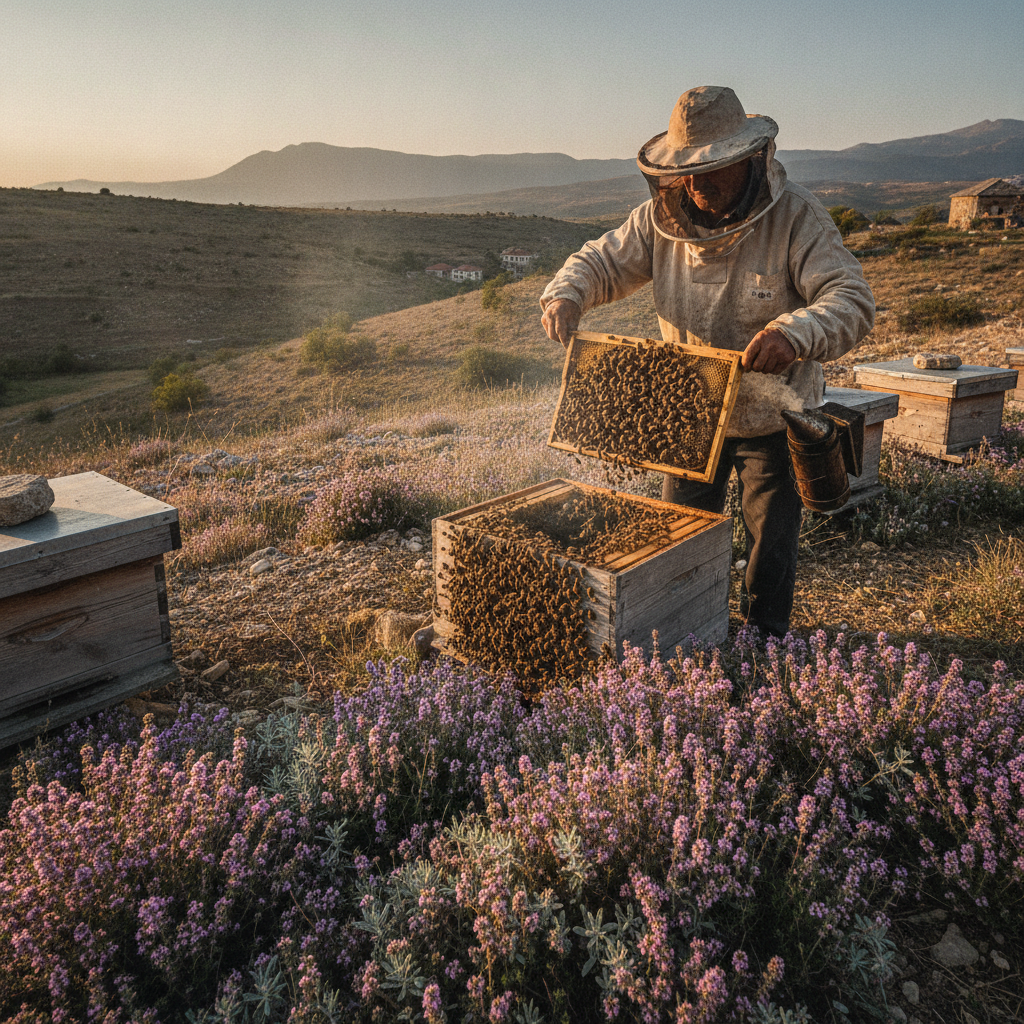
Thymol, extracted from thyme, presents another organic solution popular among Albanian beekeepers. Given that thyme grows abundantly in Albania, its use is both cost-effective and environmentally sustainable.
Strategic Application
Multiple applications of thymol may be necessary to achieve desired results, with careful monitoring to prevent mites from developing resistance. Albanian beekeepers can incorporate thymol within traditional practices, providing a natural synergy with local apicultural techniques.
Implementing Formic Acid
Formic acid is known for its effective action against Varroa mites, although it requires cautious handling due to its strength. When applied correctly, it can significantly reduce mite populations while ensuring bee safety.
Safety Considerations
Given formic acid’s potency, accurate dosing and application are crucial. In Albania, training beekeepers in handling formic acid safely can help avert potential risks, ensuring that colonies remain healthy and productive.
Conclusion
As resistance to amitraz becomes more widespread, Albanian beekeepers are encouraged to explore and adopt organic alternatives like oxalic acid, thymol, and formic acid. By incorporating these methods, beekeepers can enhance their colonies' resilience against Varroa mites, ultimately contributing to sustainable beekeeping and thriving bee populations.
Other posts

Honey Prices in Albania: Analysis and Regional Comparison
An in-depth look at honey prices in Albania compared to the region and EU, highlighting market competition and development challenges in the beekeeping sector.
Migratory Beekeeping in Albania: Transport and Regulations
Exploring the practice of migratory beekeeping in Albania, highlighting transport strategies and necessary regulations to optimize honey production.
Managing Beehives During Summer Heatwaves
Learn essential strategies for managing beehives during intense summer heat, ensuring bee health and optimal honey production.