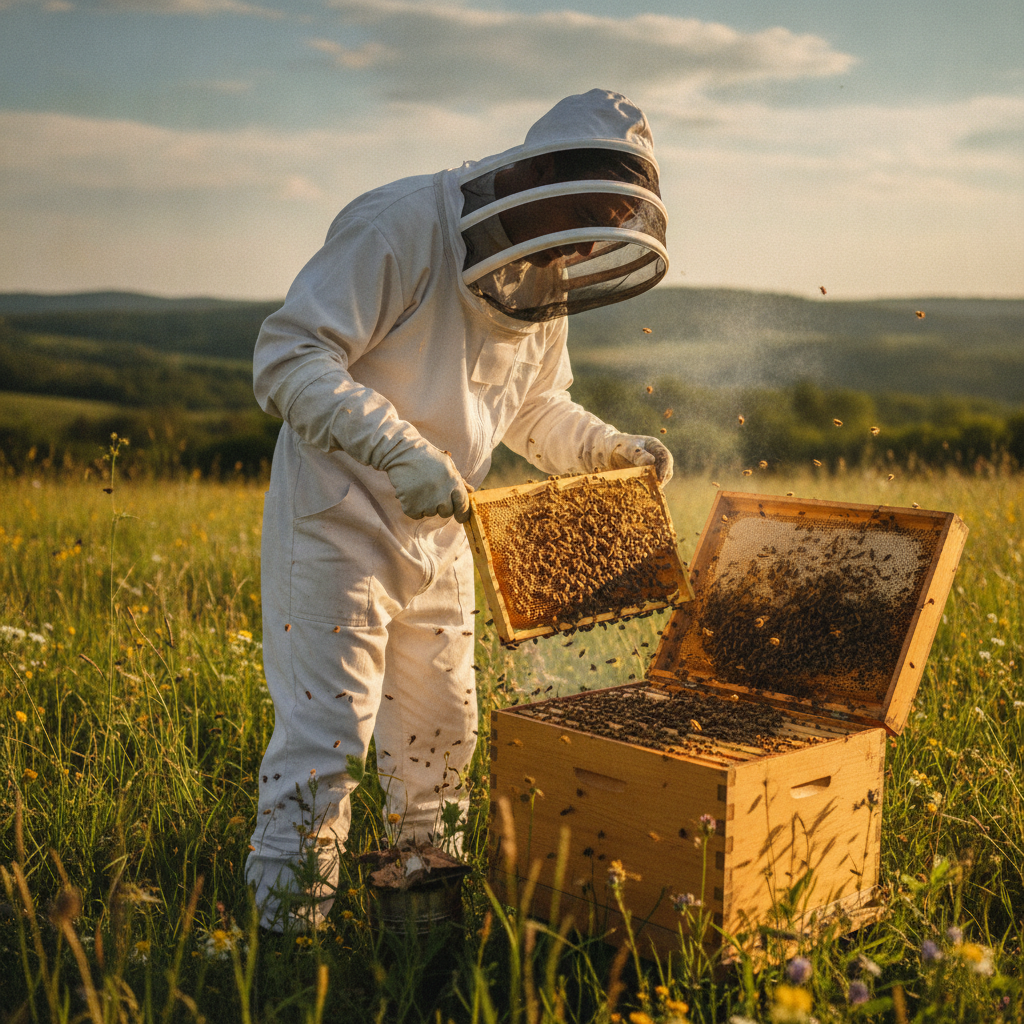
Signs Your Beehive is Queenless
A queenless beehive can collapse if not addressed quickly. Learn to identify signs like lack of eggs and agitated behavior to protect your hive.
In beekeeping, maintaining the health of your hive is crucial, and a vital aspect of this is ensuring the colony has a functioning queen. A queenless hive can quickly lead to its collapse, making it essential to recognize the warning signs early and take immediate action.
Key Points
- Lack of new eggs and larvae
- Agitated bee behavior
- Construction of emergency queen cells
- Raising a new queen or merging with another colony
- Prompt actions to prevent colony loss
Lack of Eggs and Larvae
One of the most telling signs of a queenless hive is the absence of fresh eggs and larvae. During regular inspections, if you do not find newly laid eggs or larvae, it indicates that the queen has not laid eggs for at least three days. This absence can dramatically affect the hive's future capacity to produce new adult bees.
Paying careful attention to this aspect can prevent larger problems within the colony. If there is no continuous replenishment of young bees, the hive will slowly decline in productivity and strength. To understand more about how this affects your hive, visit the BeeGuide on queenless hives.
Agitated Bee Behavior
Another indicator that your hive may be queenless is the unsettling behavior among the bees. When the hive is without a queen, bees can exhibit signs of disorder and agitation. This can be observed during an inspection where bees appear restless or unfocused, which is not typical of their routine behavior.
Understanding bee behavior can greatly aid the beekeeper in early detection of issues. For additional details on behavior changes, consider the guide on Queen Problems from Hivekraft.
Construction of Emergency Queen Cells
In the absence of a queen, worker bees will begin constructing emergency queen cells as an attempt to rear a new queen. These are larger cells compared to regular ones and are usually located along the edges of the comb.
The presence of these cells serves as a direct indication of the hive's attempt to rectify the situation. Recognizing these quickly is vital, as they are a clear sign that the colony is taking drastic measures to survive. Information on identifying these cells is available through Primal Bee's Help Center.
Raising a New Queen or Merging with Another Colony
Once you have identified that your hive is queenless, immediate actions are essential. One solution is introducing a new queen to the hive. This requires careful handling to ensure the acceptance of the queen by the worker bees. Alternatively, merging the hive with another strong colony can help maintain the bee population and resources until a new queen is established.
Both methods have their techniques and risks. Proper training or consulting with experienced beekeepers is recommended to successfully navigate these options.
The Importance of Prompt Action
In Albania’s climates, characterized by rapid weather changes and periods of drought, early identification and intervention are crucial. Small-scale beekeepers, common in the country, benefit greatly from recognizing these warning signs, thus enhancing their beekeeping practices and honey production.
Quick responses are required to prevent the hive's eventual collapse. Educating oneself and actively monitoring the hive's condition are fundamental practices for any successful beekeeper.
Maintaining a healthy queen is central to a thriving beehive. By understanding these signs, beekeepers can ensure the longevity and productivity of their colonies.
Other posts

Honey Prices in Albania: Analysis and Regional Comparison
An in-depth look at honey prices in Albania compared to the region and EU, highlighting market competition and development challenges in the beekeeping sector.
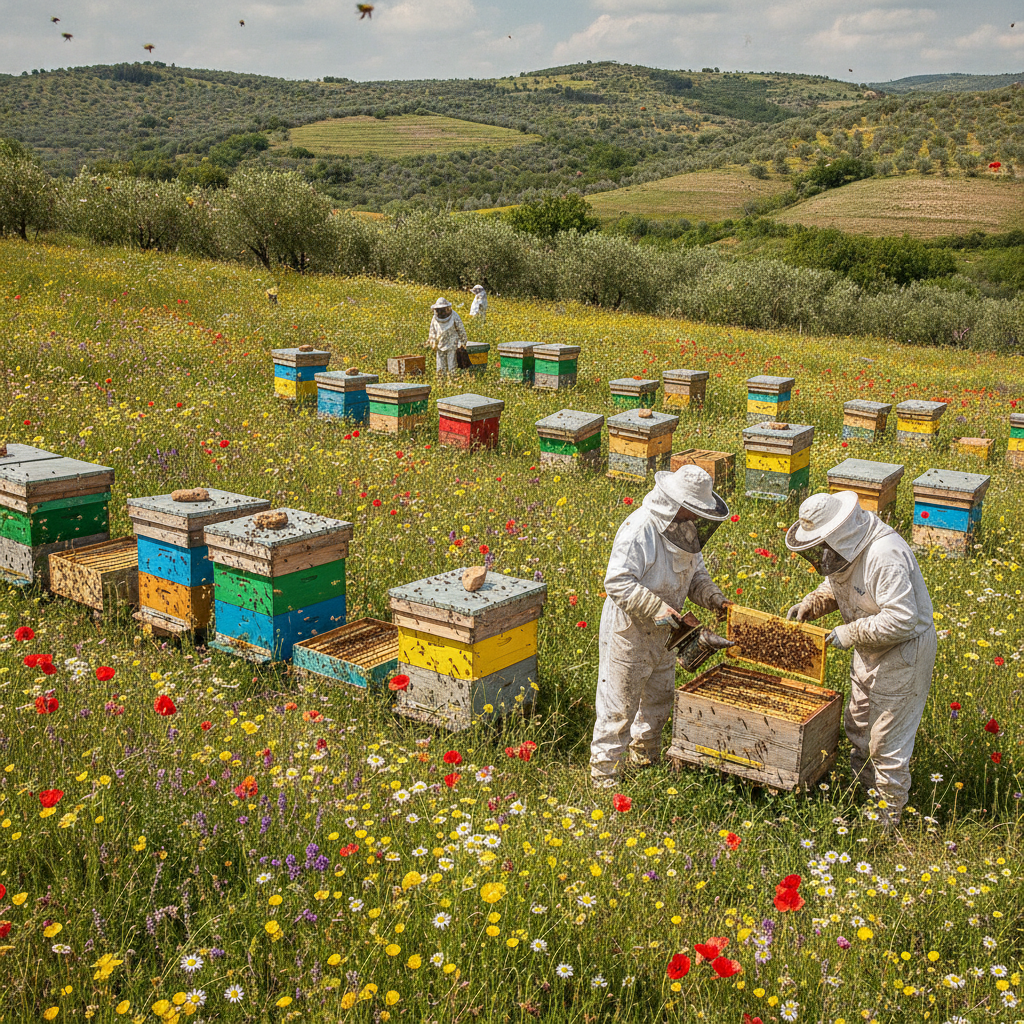
Migratory Beekeeping in Albania: Transport and Regulations
Exploring the practice of migratory beekeeping in Albania, highlighting transport strategies and necessary regulations to optimize honey production.
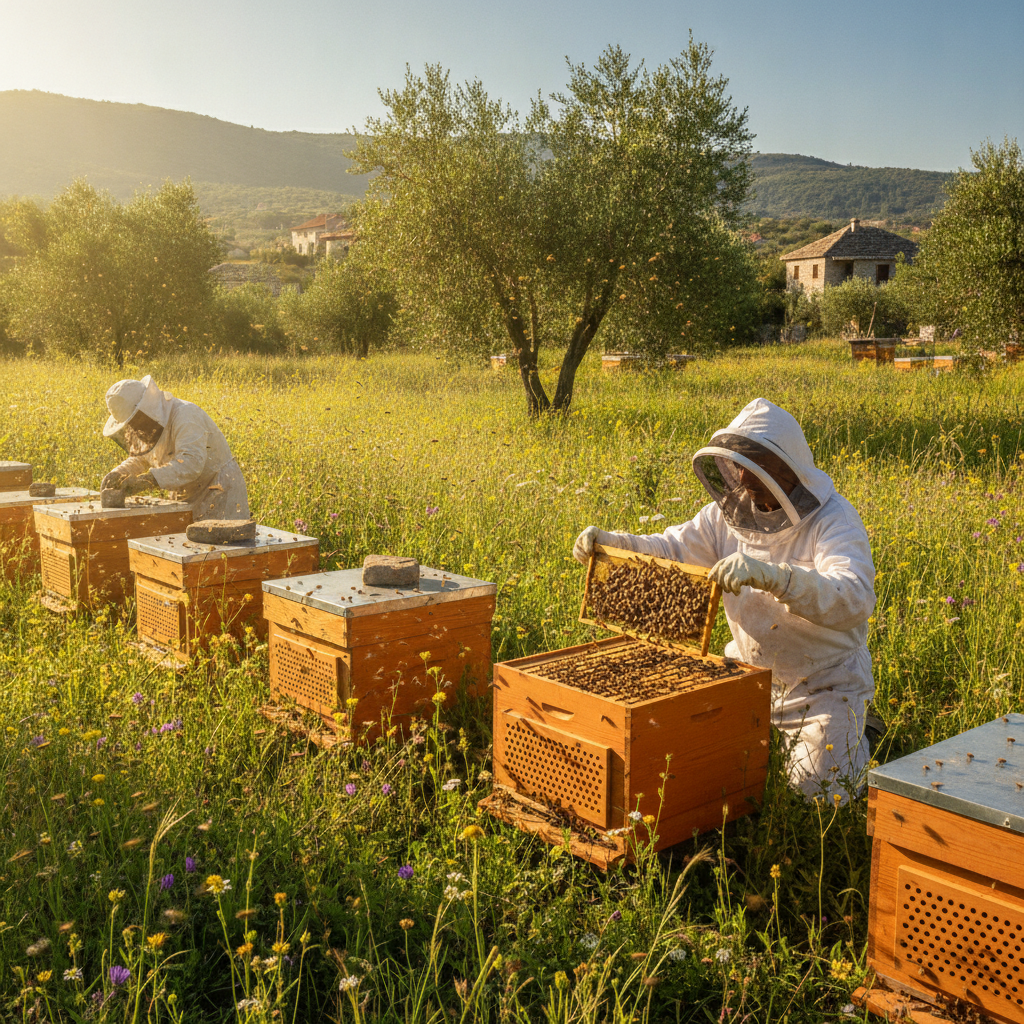
Managing Beehives During Summer Heatwaves
Learn essential strategies for managing beehives during intense summer heat, ensuring bee health and optimal honey production.